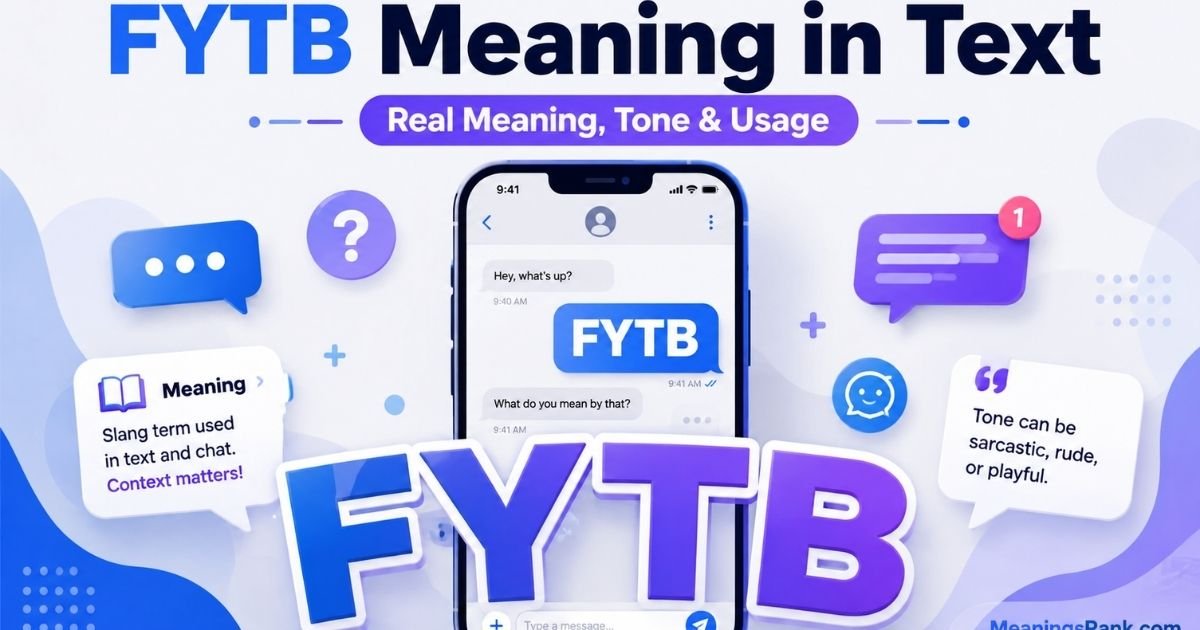

Seen “FYTB” in a text or comment and felt a bit thrown off? That reaction makes sense. The FYTB meaning in text is blunt, and honestly, it’s meant to be. This acronym shows up when someone is angry, annoyed, or trying to shut a conversation down fast. You’ll mostly spot it in heated text exchanges, gaming chats, Discord arguments, and occasionally social media comments.
Unlike playful slang, FYTB carries real hostility, so understanding it helps you recognize when a conversation has turned negative. This guide breaks down exactly what FYTB means, where it comes from, and why it’s a term you should use carefully, if at all.
FYTB – Quick Meaning
FYTB stands for “F* You Too, B****”** (censored here for clarity). It’s a hostile, dismissive phrase used to end an argument or respond to something someone finds disrespectful.
Quick facts:
- It’s aggressive, not playful
- It’s almost always used in anger
- It’s common in heated texting, gaming, and online arguments
- It’s not appropriate for casual, friendly, or professional chats
If you only remember one thing about FYTB, remember this: it’s a hostile comeback, not a joke or friendly slang term.
What Does FYTB Mean in Text?
FYTB is used as a sharp, angry response. People type it when they feel insulted, disrespected, or want to end a conversation on a harsh note.
Here’s a simple example:
Person A: “You’re so annoying, honestly.”
Person B: “FYTB, don’t talk to me again.”
In this exchange, Person B isn’t being playful. They’re firing back with anger, using FYTB to shut the conversation down completely.
Unlike casual acronyms like “lol” or “omg,” FYTB carries real emotional weight. It’s not something people type lightly, since it includes strong language, even in its shortened form.
A few important points about how FYTB functions:
- It signals anger or frustration, not humor
- It’s almost always a reaction to something upsetting
- It rarely appears in calm or neutral conversations
- It can end a conversation abruptly
Because of its aggressive tone, FYTB meaning in text isn’t something you’ll see in everyday chats between friends who are getting along. It shows up specifically when tension is already high.
Origin & Background of FYTB
FYTB grew out of general internet slang culture, where longer curse-based phrases got shortened into quick acronyms for faster typing during arguments or heated chats.
This pattern isn’t unique to FYTB. Many aggressive or blunt phrases get abbreviated online simply because typing full sentences during an argument feels slower than firing off a quick reaction.
A few background points worth knowing:
- It likely spread through texting and gaming communities first
- Fast-paced chat platforms encouraged shorter, angrier reactions
- It became more visible as online arguments moved from forums to real-time chats
- It’s part of a broader trend of censored curse-word acronyms, similar to other hostile shorthand terms
Because it’s rooted in strong language, FYTB never really crossed into mainstream, lighthearted slang the way terms like “lol” or “omg” did. It stayed within angrier, more confrontational corners of texting and online chat culture.
Understanding this background explains why FYTB feels so different from typical internet abbreviations. It wasn’t built for casual conversation it was built for conflict.
Also Read: Bou Meaning in Text: The Ultimate Guide to What “Bou” Means in Messages
How FYTB Is Used in Texts and Chats
FYTB usually appears as a direct reply during an argument. It rarely opens a conversation and almost always shows up as a reaction to something upsetting.
Typical Structure:
“FYTB, [optional follow-up statement]”
Example: “FYTB, I’m done talking to you.”
Here’s how it might appear across platforms:
Text Messages:
“FYTB, don’t text me again.”
WhatsApp:
“lol FYTB, whatever you say.”
Instagram Comments:
“FYTB 🙄 mind your business.”
Snapchat:
“FYTB, block me then.”
TikTok Comments:
“FYTB, nobody asked for your opinion.”
Gaming Chats:
“FYTB, stop blaming me for the loss.”
Discord Servers:
“FYTB, I’m leaving this server.”
Workplace Chats:
FYTB should never appear here. It’s far too aggressive and unprofessional for any workplace conversation, casual or otherwise.
Across every platform, FYTB functions the same way as a sharp, angry closing statement. It’s rarely used mid-argument and more often marks the point where someone wants to stop talking entirely.
FYTB Meaning in Different Contexts
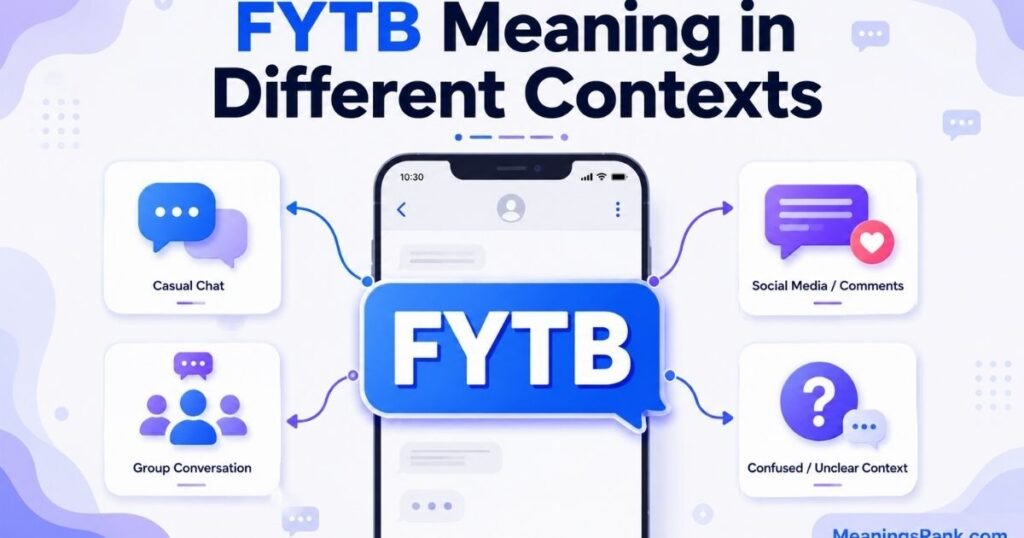
While FYTB almost always signals anger, the intensity can shift slightly depending on the relationship between the people texting.
Between Strangers Online:
FYTB often appears in comment sections during disagreements with people the user doesn’t know personally. It tends to feel sharper and more final here.
Example: “FYTB, get a life.”
Between Friends During a Joke Argument:
Occasionally, close friends use FYTB sarcastically during a fake or joking argument, though this depends heavily on their relationship and shared humor.
Example: “FYTB 😂 you’re still picking the movie.”
During Gaming Frustration:
In gaming chats, FYTB often appears after a lost match or blame-shifting moment, directed at a teammate or opponent.
Example: “FYTB, you threw that round.”
In Serious Arguments:
This is where FYTB carries the most weight, often marking the end of a conversation or relationship entirely.
Example: “FYTB, we’re done here.”
Context changes the intensity, but the core meaning stays hostile in almost every situation. Even in joking contexts, it borrows its power from genuine anger, which is why it should always be used carefully.
FYTB in Real-Life Conversations: Examples
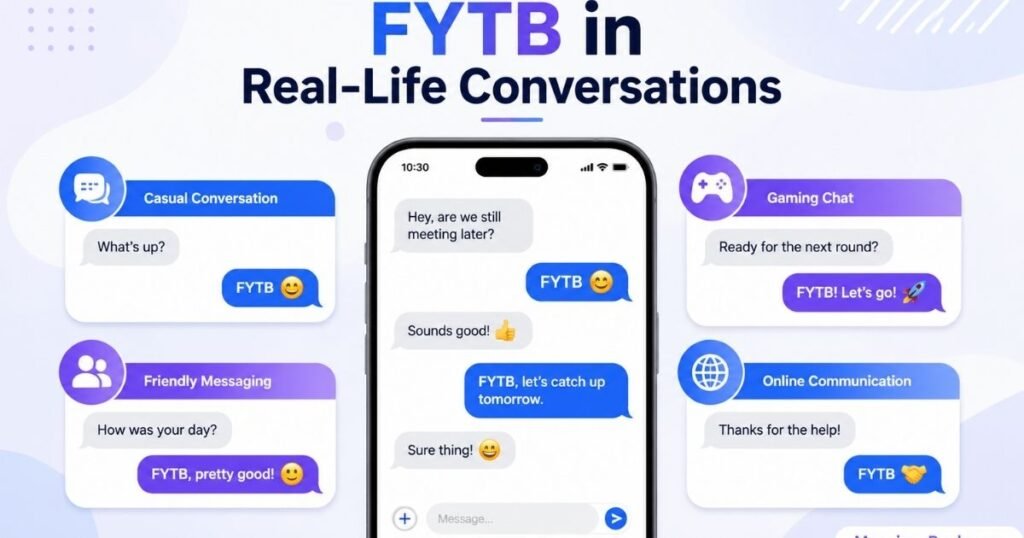
Text Message:
Person A: “You always cancel plans last minute.”
Person B: “FYTB, I had a valid reason.”
WhatsApp:
Person A: “You never listen to me.”
Person B: “FYTB, maybe you should communicate better.”
Instagram Comment:
“FYTB, keep my name out of your mouth.”
Snapchat:
“FYTB, delete my number then.”
TikTok Comment Section:
“FYTB, this take is ridiculous.”
Gaming Chat:
“FYTB, stop typing and start playing.”
Discord Message:
“FYTB, I’m reporting this to the mods.”
Workplace Slack Message:
This scenario should never happen. Using FYTB in any workplace setting could lead to serious professional consequences.
Each of these examples shows FYTB doing the same job: shutting down a conversation with anger and finality. It’s rarely a term used for lighthearted teasing.
What Tone Does FYTB Have?
FYTB carries an aggressive, dismissive tone almost every single time it’s used. Unlike neutral acronyms, there’s no soft or friendly version of this term.
Key Tone Characteristics:
- Angry and confrontational
- Final, often ending a conversation
- Dismissive of the other person’s point
- Rarely playful, even in casual settings
Example comparison:
Neutral: “Whatever, let’s just drop it.” FYTB version: “FYTB, drop it.”
Notice how FYTB adds a much sharper edge to the same basic idea. It doesn’t just express disagreement it expresses anger and rejection at the same time.
Because of this intensity, FYTB isn’t something that fits naturally into everyday conversations. It’s reserved almost entirely for moments of real frustration or conflict.
Also Read: LWK Meaning in Text: What It Means, How to Use It & Examples (2026 Guide)
When NOT to Use FYTB
Workplace Conversations
FYTB should never appear in any professional setting, casual or formal. It could easily lead to serious consequences.
Conversations With Family or Elders
Given its aggressive tone and language, FYTB meaning in textis inappropriate in most family conversations, regardless of frustration level.
Public Social Media Posts
Using FYTB publicly can escalate conflicts quickly and may violate platform community guidelines.
Conversations With Strangers
Since tone can’t always translate clearly through text, using FYTB with someone unfamiliar can escalate situations unnecessarily.
When You Want to De-escalate an Argument
FYTB almost always increases tension rather than resolving it, making it a poor choice for calming things down.
In Front of or Directed at Minors
Given the strong language behind FYTB, it should never be used around or aimed at children or teenagers.
Common Misunderstandings About FYTB
Misunderstanding 1: FYTB Is Just Playful Slang
While it can appear in joking contexts among close friends, it’s rooted in genuine hostility and shouldn’t be treated as harmless fun by default.
Misunderstanding 2: FYTB Is the Same as Mild Sarcasm
FYTB carries far more aggression than typical sarcastic remarks, which usually stay lighthearted.
Misunderstanding 3: It’s Fine to Use With Anyone Online
Tone doesn’t always translate well through text, so using FYTB with someone unfamiliar can easily escalate a disagreement.
Misunderstanding 4: FYTB Doesn’t Really Mean Anything Serious
Even though it’s shortened, FYTB still carries the full weight of the phrase it represents.
Misunderstanding 5: It’s Acceptable in Group Chats With Mixed Audiences
Even in casual group chats, FYTB can make certain members uncomfortable, especially if they’re unfamiliar with the term or its tone.
FYTB Variations and Related Slang Terms
FYTB isn’t the only hostile or dismissive acronym used in online arguments.
| Term | Meaning | Tone |
| FYTB | F*** You Too, B**** | Aggressive, dismissive |
| STFU | Shut The F*** Up | Blunt, hostile |
| IDC | I Don’t Care | Dismissive, less aggressive |
| GTFO | Get The F*** Out | Angry, rejecting |
| SMH | Shaking My Head | Disappointed, not hostile |
Compared to milder terms like IDC or SMH, FYTB sits on the more extreme end of hostile texting slang, closer to STFU or GTFO in tone and intensity.
How to Respond When Someone Uses FYTB
Responding to FYTB depends heavily on whether you want to de-escalate the situation or match the tone.
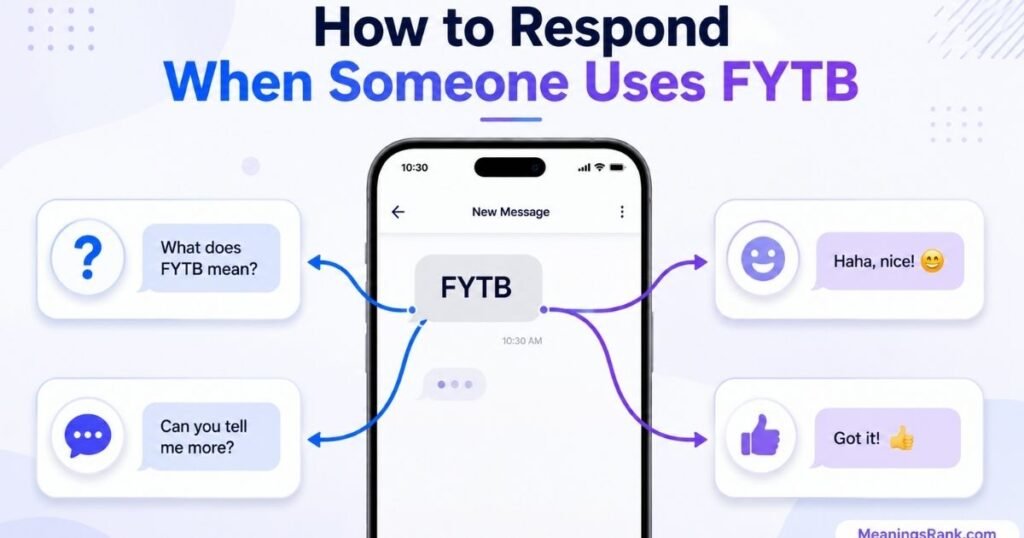
If You Want to Calm Things Down:
“Let’s just talk about this calmly.” “I don’t want to argue, can we pause?”
If You Want to Disengage Completely:
“Okay, I’m done here too.” “Noted, moving on.”
If It Was Used Jokingly Between Friends:
“Lol okay dramatic, calm down 😂”
Example: Person A: “FYTB, stop texting me.”
Person B: “Okay, I won’t reach out again.”
In most situations, responding calmly works far better than matching the aggressive tone, especially if the goal is resolving the conflict rather than escalating it further.
Is FYTB Safe for Kids?
No, FYTB is not appropriate for children or teenagers. Since it’s based on strong, censored curse language, it falls outside acceptable slang for younger users.
Also Read: What Does WDYM Mean in Text? Meaning, Uses & Examples
Reasons to avoid FYTB around kids:
- It contains implied profanity, even in shortened form
- It carries a hostile, disrespectful tone
- It can normalize aggressive communication habits
- Many platforms and schools consider it inappropriate language
Parents and educators explaining internet slang to younger users should treat FYTB the same way they’d treat any other strong, hostile language as something to avoid entirely rather than use casually.
FYTB Meaning: Comparison With Similar Terms
| Term | Meaning | Best Used When |
| FYTB | F*** You Too, B**** | Never recommended; hostile closer |
| IDC | I Don’t Care | Mild disagreement or indifference |
| SMH | Shaking My Head | Expressing disappointment calmly |
| Whatever | Dismissive but neutral | Ending a disagreement without hostility |
If you’re looking for a way to express frustration without escalating a conversation, terms like “IDC” or even just “whatever” carry far less risk of making a situation worse.
FAQs About FYTB Meaning
What does FYTB meaning in texting?
FYTB stands for a hostile phrase meaning “F*** You Too, B****,” used to angrily end a conversation or argument in text.
Is FYTB appropriate to use casually?
No, FYTB carries strong, hostile language and should be avoided in casual, friendly, or professional conversations entirely.
Where does FYTB commonly appear?
It shows up most in heated texts, gaming chats, Discord arguments, and occasionally aggressive social media comments.
Is FYTB safe to use around kids?
No, it contains implied profanity and hostile tone, making it inappropriate for children or teenage conversations.
What’s a safer alternative to FYTB?
Terms like “IDC” or “whatever” express frustration without the aggressive, confrontational tone FYTB carries.
Conclusion
The FYTB meaning in text boils down to one clear idea: it’s a hostile, angry way to shut down a conversation. Unlike playful internet slang, it carries real weight because of the strong language behind it, which is why it shows up mostly during arguments, heated gaming chats, and online conflicts.
Throughout this guide, we’ve covered what FYTB stands for, where it likely came from, how its tone shifts slightly depending on context, and why it’s best avoided in most everyday conversations, especially at work or around younger users.
If you come across FYTB in a message, you’ll now understand exactly what it signals and hopefully, you’ll choose calmer words if you’re ever tempted to type it yourself.